What should be used for tinder—highly flammable material used to create a small, controllable flame that can ignite larger kindling—or as a fire-starter? There are many materials and products on the market. It is very important to know the correct material for the correct purpose in today’s modern solid-fuel-burning appliances. Commercial fire-starters on the market… Read more »
Why Hire an NFI Certified Professional
When working with an NFI (National Fireplace Institute) certified technician or organization, you are assured of the following: Trained on selecting and installing the various fuels, types, and brands of fire appliances for your home. Trained on appropriate size, type, configuration, and height of venting system. Trained on using the proper materials for heat protection… Read more »
Free Estimate or In-Home Evaluations
Some companies claim to give a free in-home estimate or evaluation but then ask for a refundable deposit. Why do they do that? It is taught as a technique to psychologically lock you into buying from them. Ask the question, “If it is fully refundable, then why collect it at all?” A truly free in-home… Read more »
Federal Biomass Income Tax Credit
Up to a $2,000 federal income tax credit is available for biomass-fueled heaters. To qualify, they must meet minimum emissions and efficiency standards. This tax credit is good until 2032. The credit is 30% of the total amount of equipment and all required installation costs, including labor, chimney, permits, and similar expenses. We have multiple… Read more »
Heat: Radiant vs. Convective Air
How we feel about different types of heat can vary greatly. Everyone thinks of electric, gas, or wood as a type of heat. That is a misconception; the two types are radiant and convective. Convective heat is warm air being blown around by a furnace, heat pump, or fan-driven wall heater. Radiant heat comes from… Read more »
CO2 and Smoke Alarms
Oregon law requires CO2 and smoke detectors in the home when a fuel-burning appliance is installed. The law requires a CO2 detector within 15 feet of any bedroom or sleeping space. It also requires a smoke detector no farther than 15 feet from any bedroom, plus one in every bedroom. Smoke and CO2 detectors can… Read more »
Sizing Your New Appliance for Your Needs
It is important to seek advice from a certified professional when choosing a new heating appliance or hearth product for your home. We are an NFI (National Fireplace Institute) Master Hearth certified organization. We can help design and specify the right equipment for your needs. It is important to relay what your expectations are for… Read more »
Wood Stove Performance Affected by Its Environment
Most people don’t understand how many exterior influences affect how wood burning appliances perform. Many things inside and outside the home affect how wood burning fireplaces, stoves, and inserts work. Smoke is taken out of the home by draw, which is a change in air pressure: warmer air rises and takes products of combustion out… Read more »
Ash Disposal
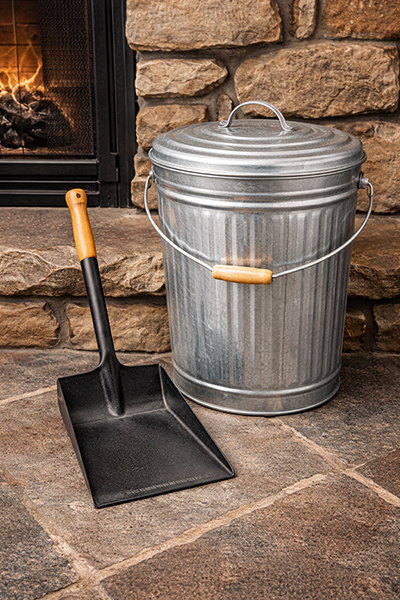
When taking ashes out of your wood stove as part of your personal maintenance, it is important to do so properly to prevent fire and damage to your home. Do not use a household or standard shop vacuum; they are not designed to handle extra heat or embers that can ignite a fire. There are… Read more »
Regular Maintenance
It’s crucial to have regular cleaning and safety checks for any fuel-burning appliance. Wood, gas, and pellet appliances all require professional attention to ensure efficient and safe operation. Annual maintenance, including testing safety parts and cleaning chimneys, protects your home and investment. Contact our office for yearly maintenance assistance.